 Desktop + mobile review
Use the interface preview to explain the service format, and keep category choices separate from campaign copy. Visual polish does not validate the health…
The big image collection
Websites where oversized imagery drives the design narrative.
Portfolios, editorial sites, and brand pages that use large-scale photographs and visuals as their primary design element. These examples prove that strategic use of big images creates emotional connections, guides the eye naturally, and communicates stories faster than text alone. See how leading designers balance visual weight with whitespace for maximum impact.
Desktop + mobile reviewUse the interface preview to explain the service format, and keep category choices separate from campaign copy. Visual polish does not validate the health…
 Desktop + mobile review
A simple opening statement can work when the surrounding navigation makes the organization’s resources easy to discover.
 Desktop + mobile review
Pair a clear professional identity with a direct contact route, while letting supporting evidence appear in subsequent content.
 Desktop + mobile review
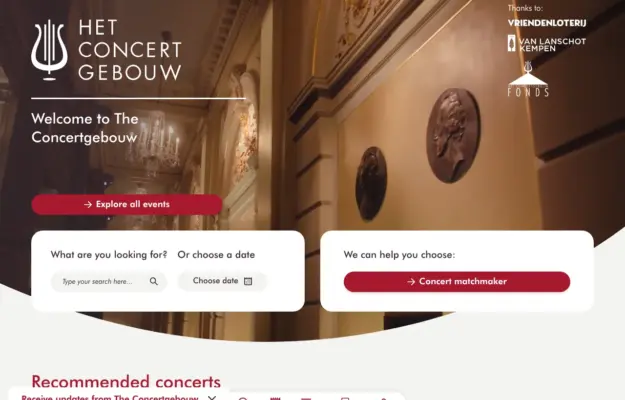
Combine the atmosphere of a venue with direct routes for visitors who already know what they want to book.
 Desktop + mobile review
Connect campaign storytelling to a clear materials index so visitors can move from the brand story to product information.
 Desktop + mobile review
Choose a focal point that survives a portrait crop and keep the film title and ticket route readable over changing imagery.
 Desktop + mobile review
Use an evocative opening image to establish the subject, then give visitors concrete stories to explore.
 Desktop + mobile review
A short explanation can connect atmospheric photography to a technical product without filling the hero with jargon.
 Desktop + mobile review
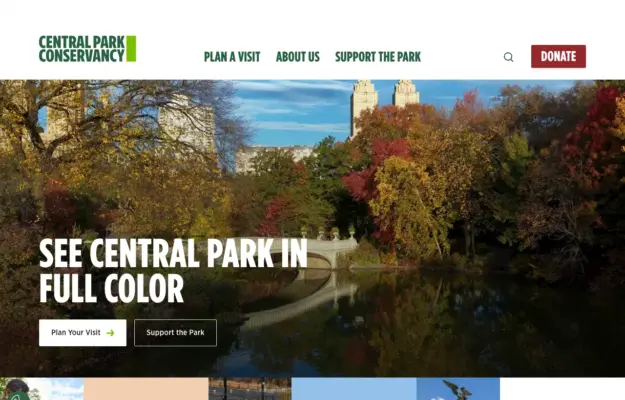
Distinguish the visitor’s practical task from the organization’s fundraising task without making either compete with the heading.
 Desktop + mobile review
Give each architectural image an explicit project route rather than treating it as decoration.
 Desktop + mobile review
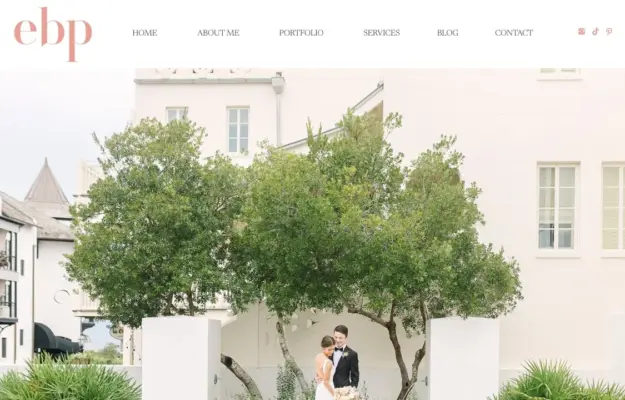
Follow a strong image with a short statement of the experience clients can expect.
 Desktop + mobile review
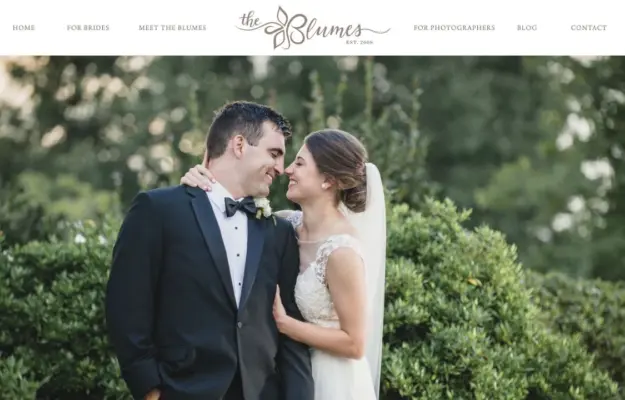
Use a contained text panel when the hero image has detail across the full frame.
 Desktop + mobile review
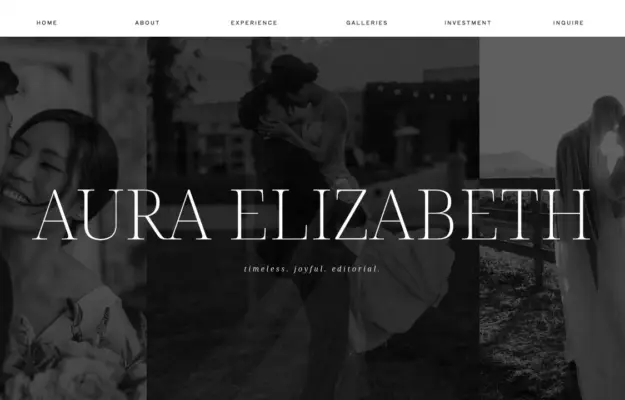
Control image brightness behind overlaid type and use the following section for the practical offer.
 Desktop + mobile review
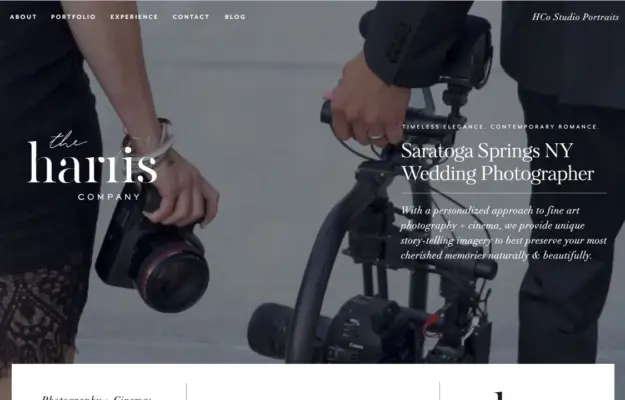
Use the opening frame to establish both photographic style and the region served.
 Desktop + mobile review
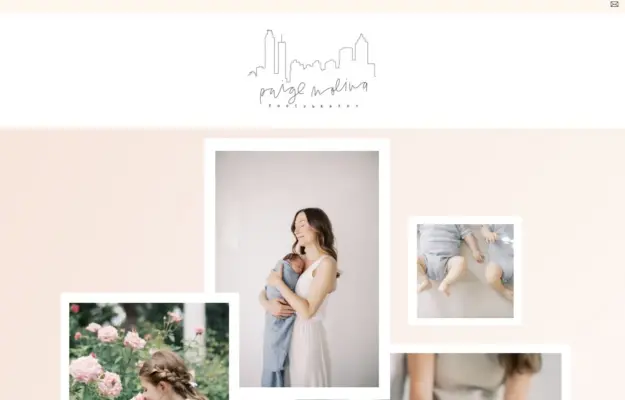
Use a controlled collage to communicate the range of a photography practice without introducing a busy grid.
 Desktop + mobile review
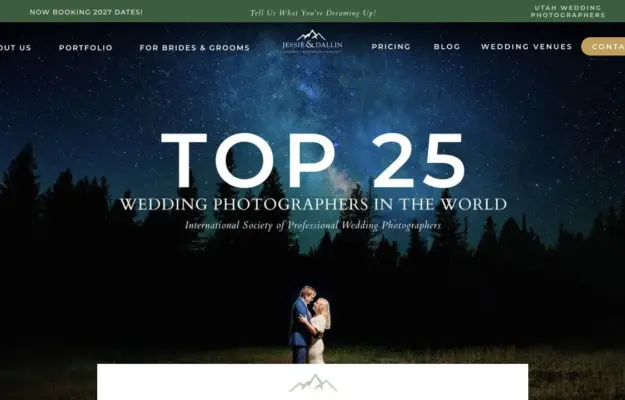
Pair an atmospheric portfolio image with a short explanation of who the service is for.
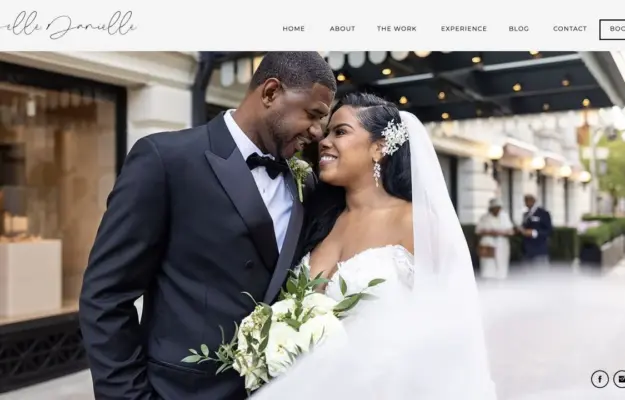 Desktop + mobile review
Lead a photography portfolio with the work, then provide a clear introduction and booking route.
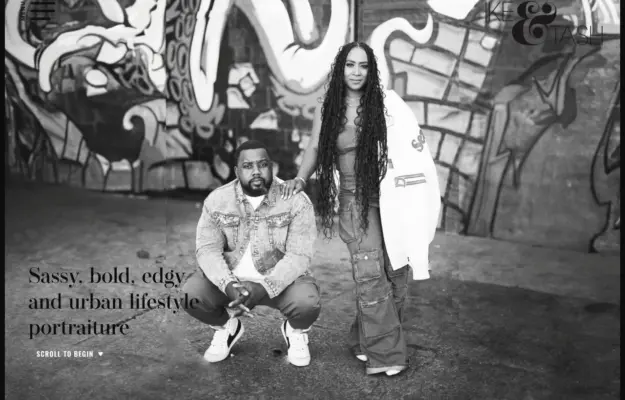 Desktop + mobile review
Use framing and one strong image to establish a portrait studio’s character.