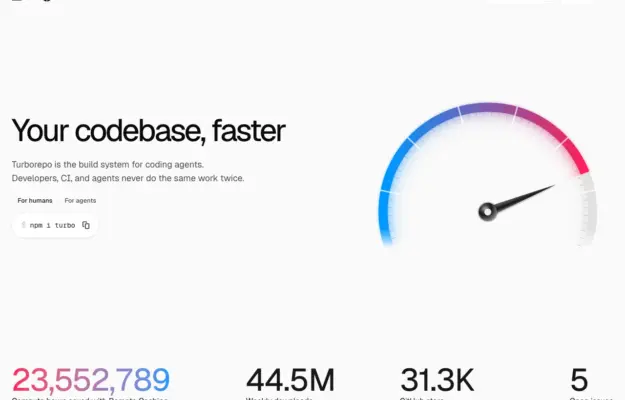
 Desktop + mobile review
Combine a simple metaphor with an actionable command and concrete supporting information for developer-facing products.
UI library / 12 verified examples
Discover verified React website examples spanning software, architecture, art and commerce. Study interface hierarchy, product demonstrations and mobile layouts with useful design notes.
Desktop + mobile reviewCombine a simple metaphor with an actionable command and concrete supporting information for developer-facing products.
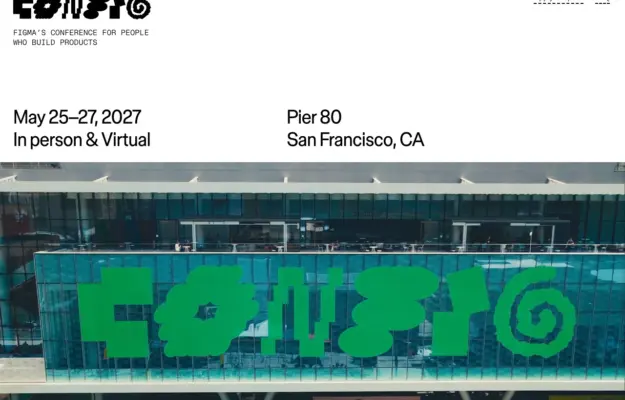 Desktop + mobile review
For an event page, make when, where and how to participate understandable before visitors watch a reel or explore the programme.
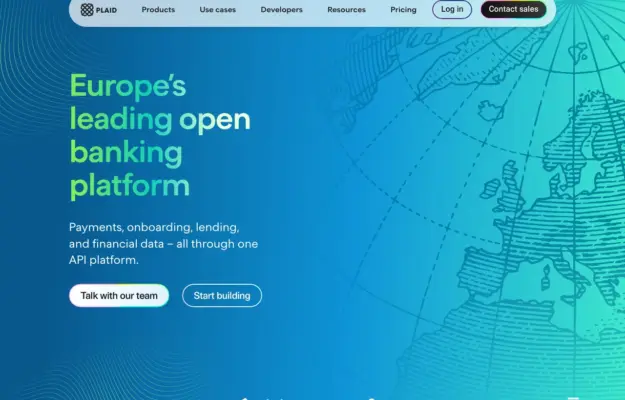 Desktop + mobile review
When a product serves buyers and developers, give each audience a plainly labeled next step.
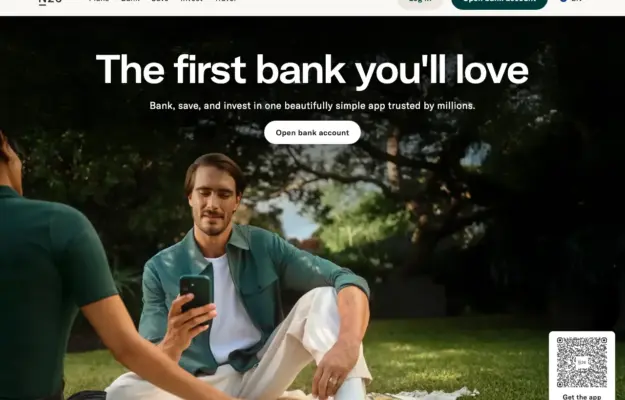 Desktop + mobile review
Use photography to establish context without hiding the main service or action behind the campaign imagery.
 Desktop + mobile review
Use the headline to explain the audience and job before asking visitors to interpret a technical visualization.
 Desktop + mobile review
Limit the first view to a clear product promise, one primary action and a useful secondary route.
 Desktop + mobile review
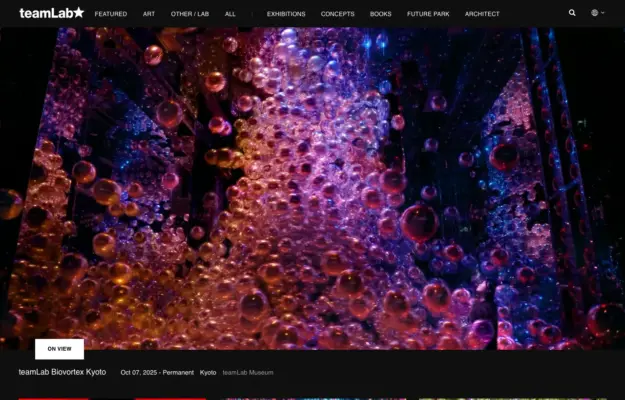
Use an immersive image to invite exploration while keeping exhibition identity and practical visitor routes easy to find.
 Desktop + mobile review
Let a strong campaign image establish the mood, then give visitors a clear way to learn about the product.
 Desktop + mobile review
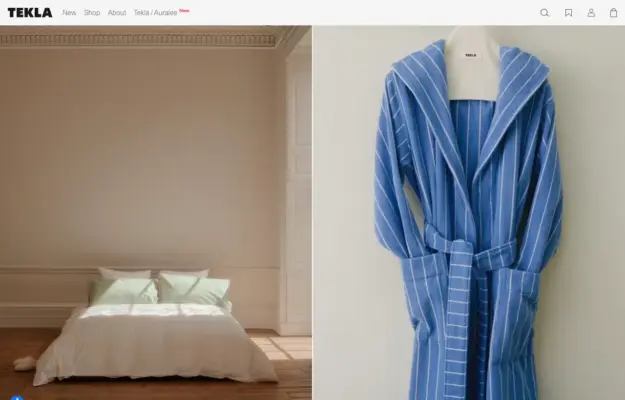
Use related images to connect the product to a setting while keeping shopping categories accessible.
 Desktop + mobile review
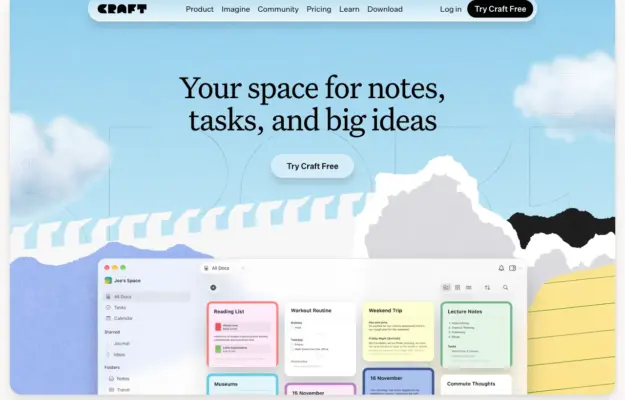
Show the actual product inside the visual identity so an expressive homepage still explains what the tool does.
 Desktop + mobile review
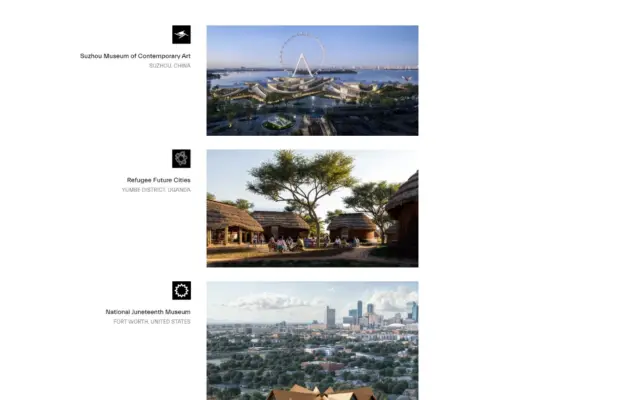
A compact index can show variety without a full-screen hero; preserve project names and a consistent relationship between label and image.
 Desktop + mobile review
Show a focused product task instead of an undifferentiated dashboard, and give the headline enough contrast to stand apart from the demo.
React is a UI library, and some examples also use Next.js. This collection focuses on interface design across different kinds of websites; the Next.js collection focuses on that specific framework. Neither label guarantees speed, accessibility or a particular CMS.
React fiber or root-container properties are checked on rendered page elements. Where Next.js is also present, its runtime and hydration data are recorded separately. A React mention, npm dependency list or third-party widget alone is not sufficient. Evidence expires after 90 days or a change to the website link. Screenshots may show an earlier design.